SHARE


In a world increasingly shaped by algorithms, our shared humanity and the analogue relational qualities that come with it will remain a designer's greatest asset, says Morné Hugo.
Artificial intelligence is transforming the way we work, design, and communicate. Its promise of speed, precision, and efficiency is undeniable; and for many, the temptation to lean entirely into automation is strong. Yet amid this accelerating shift, it is worth pausing to recognise something fundamental: the irreplaceable role of human creativity, traditional design craft, and face-to-face interaction. These qualities that remain as important as ever, if not more so, in an AI-integrated future.
As landscape architects in Aotearoa, we know that creativity is not a function that can be coded; it is a deeply human trait. It draws on lived experience, intuition, cultural context, and emotional intelligence. These are things AI can mimic or borrow, but will never truly possess.
Our work is grounded in place, shaped by the land, and informed by cultural narratives and the people we design for. We bring originality, empathy, and depth to our designs, often finding beauty or solutions in ambiguity. This kind of lateral thinking and innovation is difficult to program and even harder to predict. It is what gives design its soul.

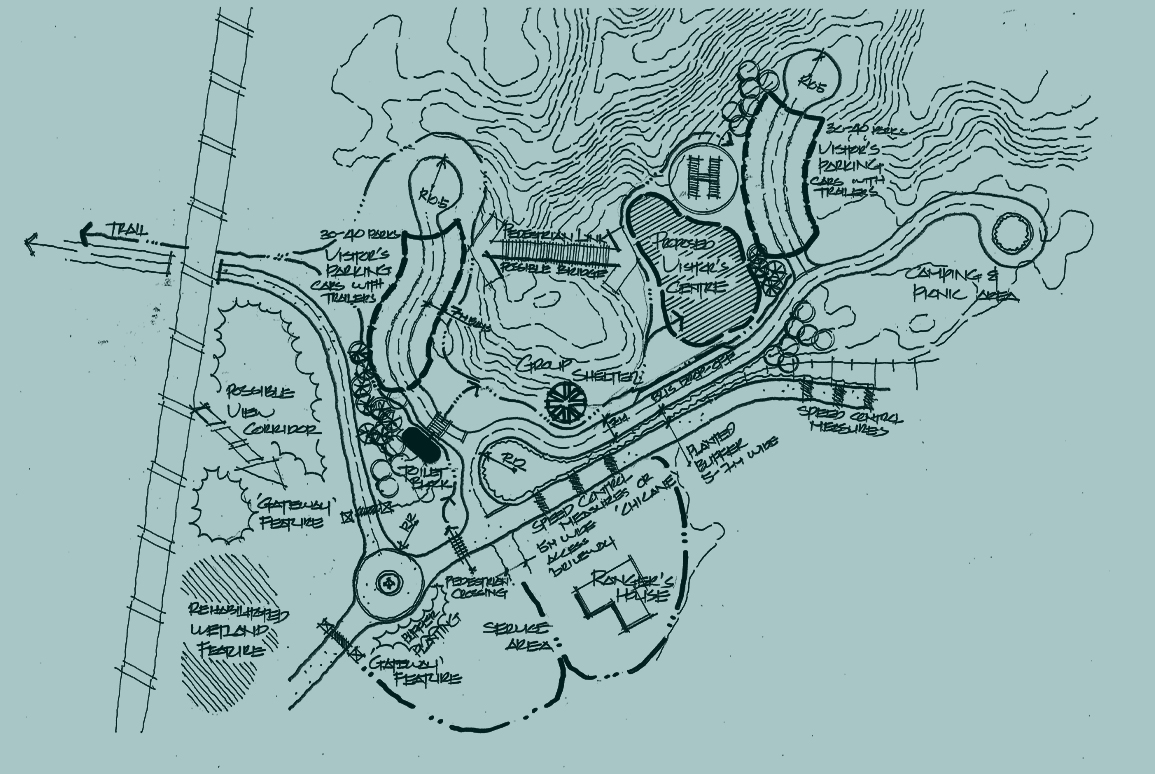
Traditional hand-drawing skills and intuitive design methods, often dismissed as outdated, still hold immense value. Sketching by hand is more than a way to communicate ideas; it is a way to think. It allows concepts to evolve fluidly, free from the constraints of software or digital precision. Hand-drawn sketches convey personality, warmth, and spontaneity.
It is these qualities that our clients, communities, and mana whenua connect with on a human level. In an era dominated by screens and algorithms, these tactile processes remind us that design is as much about exploration as execution. Process, interaction, and iteration add depth and meaning to the final design outcome; something that AI cannot truthfully achieve.

Equally important is human interaction. The nuance of body language, tone, and real-time dialogue fosters trust, alignment, and empathy, key elements crucial to successful design and decision-making. Collaboration is not just about sharing files or data; it is about shared understanding, navigating differing perspectives, and building relationships that lead to meaningful outcomes.
These conversations create space for listening, respect, and transparency, ensuring that diverse voices contribute to authentic solutions. When we approach design as a shared journey, grounded in trust and care for people and place, we create environments that truly belong to everyone.

The challenge is not to compete with AI, but to complement it. Let machines handle the repetitive and technical, while humans focus on what we do best: imagine, connect, and create. Embracing new tools should never come at the cost of core human skills. In fact, these skills of empathy, storytelling, cultural awareness, will continue to define outstanding design, thoughtful leadership, and authentic innovation.
In a world increasingly shaped by algorithms, it is our humanity and the creative, analogue, relational qualities that come with it, that will remain our greatest asset. The future belongs not to machines alone, but to those who can blend technology with imagination, efficiency with empathy, and innovation with identity. As we step into this new era, let us not forget what makes us truly irreplaceable: the ability to dream, to draw, and to connect with people, with culture, and with the land.
