Endurance and Innovation: Fighting Lagarosiphon in Lake Wānaka
14 November 2025
Written by Marcus Girvan
SHARE


As the containment line shifts, marking progress in LINZ’s aquatic weed control programme, Boffa Miskell partner Marcus Girvan reflects on 16 years leading biosecurity operations.
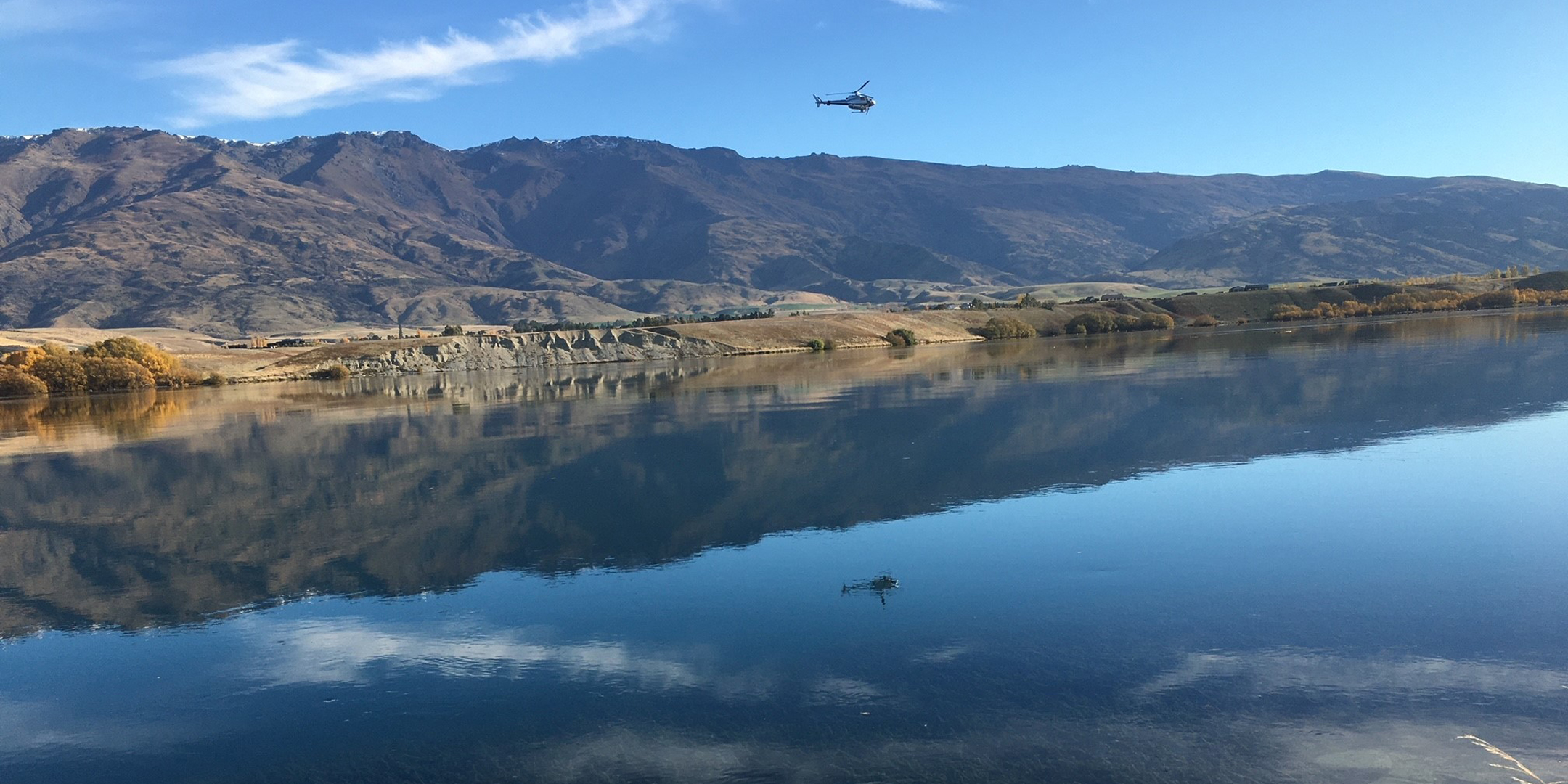
Lake Wānaka, one of Aotearoa New Zealand’s best-known alpine lakes, has been the site of a decades-long battle against Lagarosiphon major, a submerged aquatic weed that threatens biodiversity, recreational utility, and downstream ecosystems. First detected in 1972, reportedly introduced via the release of a goldfish, lagarosiphon quickly colonised the lower third of the lake, with outlier populations found in other bays.
Native to Africa, and colloquially known as ‘oxygen weed’, lagarosiphon grows aggressively in clear, slow-moving freshwater, forming dense weed beds that smother native plants and reduce oxygen availability for fish and invertebrates. These weed beds interfere with swimming, boating, and fishing; and potentially can clog hydroelectric power stations.
From its accidental introduction to the sophisticated, multi-agency eradication programme of today, Lake Wānaka’s battle against lagarosiphon reflects the evolution of aquatic weed management in New Zealand. Thanks to sustained funding, stakeholder coordination, and adaptive management, the vision of a lagarosiphon-free Lake Wānaka is within reach. And, importantly, the lessons learned and strategies used here can be applied throughout Aotearoa’s freshwater lakes.
1972–2004: Detection, Spread, and Early Control
For more than 30 years, control efforts were sporadic and largely reactive, involving manual removal and localised herbicide application. By the 1990s, the infestation had escalated to a critical point, prompting more structured interventions.
Aerial herbicide application using diquat was introduced in areas most severely impacted, including Paddock Bay, Glendhu Bay, and Stevenson’s Arm. While these treatments were initially controversial, drawing public protest, they were later recognised as necessary due to diquat’s proven effectiveness and its safety when applied under controlled conditions.
A 2004 study by NIWA (National Institute of Water and Atmospheric Research) assessed the effectiveness of diquat herbicide and a more targeted control method using suction dredging. Helicopter and boat-based applications targeted over 30 hectares of weed, and while the findings were encouraging, particularly in Paddock and Parkins Bays, which contained 80% of the total weed sprayed, in the study highlighted the need for more to be done.
2005–2009: Coordinated Planning and Management
Toitū Te Whenua | Land Information New Zealand (LINZ) and stakeholder partners launched a Ten-Year Lagarosiphon Management Plan (2005–2015). This plan introduced an adaptive management approach, combining herbicide application with suction dredging and hand-weeding. Additionally, a comprehensive program of public education was undertaken, aimed at sport and recreational boaters to counter the spread of lagarosiphon via privately-owned boats and fishing gear.

2009 –2015: Strategic Shift and Early Innovation
Boffa Miskell was engaged by LINZ in 2009 to provide biosecurity services across their national Crown Land portfolio, including management of LINZ’s aquatic weed control programmes. At the time we came on board, dive contractors were suction-dredging halfway along Bishops Bay, progressing toward Glendhu Bay. Aerial herbicide application was still underway in key areas. Annual baseline funding for Lake Wānaka was approximately $300,000, with contributions from Otago Regional Council and Queenstown Lakes District Council.
2013 was a notable year. One of our contractors introduced a new innovation: a submerged spray boom attached to a boat, which enabled herbicide to be applied 1 meter below the water surface. This allowed for more targeted herbicide application, filling a niche in the programme that had previously been missing.
Late that year, Bishops Bay was cleared of lagarosiphon, and the Lake Wānaka Lagarosiphon Committee agreed to move the containment line (a divide between cleared sections of the lake) from the southern tip of The Peninsula to the bottom tip of Bishops Bay, adding the whole of Bishops Bay to the Eradication Zone. This was a real victory, and the team was justifiably proud of our collective achievement.
At the same time, we determined that the operational budget was insufficient to make sustainable progress everywhere we would like, so we made a strategic pivot and focused resources on the Paddock Bay/Glendhu Bay area. Concentrating our efforts in this extremely popular boating, fishing, and swimming area accelerated progress in removing lagarosiphon while maintaining previously cleared zones. The goal was to minimise the impact of lagarosiphon on lake users as well as reduce the risk of weed fragmentation and transmission to other waterbodies.
Looking back, this decision proved pivotal for both the lake and the overall programme. We proved that if our eradication strategy worked in Paddock Bay / Glendhu Bay, which was the ‘home’ of lagarosiphon in the lake, then it had the potential to work everywhere in the lake.
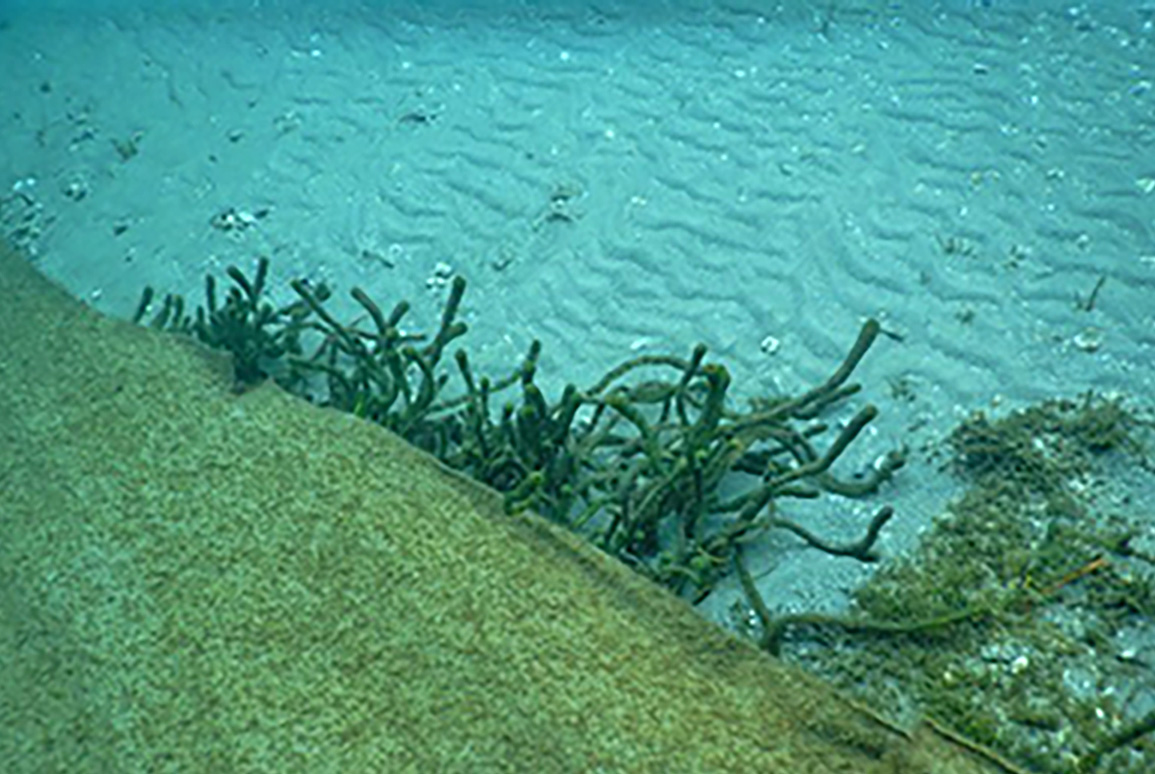
Trialing biodegradable jute hessian matting in 2015 was another major breakthrough. Monitored by NIWA, the mats were laid over weed beds and pinned to the lake floor, shading out the weed. The method proved highly effective, killing lagarosiphon within three months, and quickly replaced suction dredging as the primary control tool for elimination of dense weed beds. This coincided with a generous local landowner injecting $250,000 into the programme, expediting the results being achieved.

2016–2020: Scaling Up and Refining Techniques
The Ten-Year Lagarosiphon Management Plan for Lake Wānaka (2016–2025) formalised the dual strategy of progressive containment and targeted eradication, aiming to push the containment line southward and eventually clear the lake.
After clearing the majority of Glendhu Bay in 2016, and maintaining that success, we had the confidence to consistently and systematically remove weed throughout the bays.
Divers refined their mat-laying techniques, increasing deployment efficiency up to 2,500m² per day. Mat dimensions were more than doubled from 52.2m² to 125m², improving coverage and reducing labour. However, challenges remained: buoyant weed beds and wave action sometimes prevented sediment from infilling the mat weave, letting enough light through to keep the weed alive, resulting in costly re-lays.
Some tough lessons were learned as we developed the hessian to be fit-for-purpose, working closely with the manufacturer to manage quality control and tighten the weave, ensuring the product was both effective and as cost-effective as possible.
In 2020, LINZ secured an increase in baseline funding which enabled large-scale hessian deployment in line with the Strategy. With the refined hessian mats and the resources to mobilise at scale, we knew we were well positioned to make a huge impact on containment and eradication.

2021–2023: Clearing the Western Bays
Paddock, Glendhu Bluffs, Parkins, and Glendhu Bay had long been lagarosiphon strongholds. Paddock Bay alone was estimated to host 30 hectares of weed. With the critical funding secured, we concentrated our efforts here, building on our previous work, and by July 2024 these areas were entirely cleared and have remained so, marking a major milestone. Today, with surface-reaching weed beds eliminated, native plants have returned, and habitat quality has significantly improved.
2024: A Challenge and a New Focus
There had always been so much weed in Glendhu Bluffs Bay that upstream infestation risk was never a concern. Once the bay was cleared, however, our focus broadened to adjoining waterways, and in December 2024, we discovered lagarosiphon well-established in Emerald Stream. Because Emerald Stream feeds directly into Glendhu Bluffs Bay, this posed a serious risk of reintroducing weed into cleared zones. The team immediately went into high gear, treating this infestation as a new incursion and responding rapidly to the threat.
A full delimitation survey, closely followed by herbicide treatment, removed an estimated 99.9% of the weed present, which was an incredible result. Ongoing support from the local landowner is helping to ensure lagarosiphon is fully eradicated from the stream.
With the Western Bays cleared, resources are now shifting toward Roys Bay, including the main Wānaka waterfront. The plan is to clear Roys Bay through to Beacon Point, before tackling Stevenson’s Arm and working our way towards the lake outlet.
2025: Major Deployment, Updated Management Plans and Future Vision
Now that the Western Bays are essentially under control, with only single plants and fragments being found, the focus has shifted to the new front line of control that will take place. The effort has now rounded the peninsula from Glendhu Bay into Roys Bay, creating a singular front to push down the western side. Divers have already made significant progress along this new front, hand-removing lagarosiphon and laying hessian all the way to Waterfall Creek, covering approximately 4.5 km.
However, as previous experience in the Western Bays has shown, progress can often feel like two steps forward and one step back. As the work progresses toward Wānaka township, the likelihood of fragments drifting across from the eastern side of Roys Bay will remain an ongoing challenge.
The containment line, which previously stretched from the southern point of The Peninsula to the southern tip of Bishops Bay, has now been extended further south to include Paddock, Parkins, and Glendhu Bays, with the long-term goal of advancing this line toward Wānaka township.

LINZ has released updated aquatic weed management plans for Lake Wānaka, Lake Dunstan, and Lake Wakatipu. Developed by Earth Sciences New Zealand (formerly NIWA), the plans reflect the unique conditions of each lake and incorporate the latest research and best practices. For Lake Wānaka, the updated plan focuses on making inroads on remaining infestations. Boffa Miskell continues to deliver this LINZ-led programme, with additional funding support from QLDC and ORC.
Ongoing monitoring and surveillance remain crucial, along with traditional control methods, including hessian matting, hand-weeding, and the application of aquatic herbicide in targeted areas. Public awareness initiatives continue to play an important role. Emerging innovations, such as wool-based benthic barriers manufactured in Christchurch, may offer more durable and locally sourced alternatives to hessian; addressing supply chain vulnerabilities and improving performance in high-energy environments.
After twenty years of strategic planning, scientific innovation, community engagement and developing a skilled contractor workforce, Lake Wānaka’s lagarosiphon control programme exemplifies collaborative biosecurity in action. Despite this remarkable progress, several risks continue to threaten the programme’s success.
We’re always conscious of fragmentation-based spread because even a fingernail-sized piece of lagarosiphon can establish a new colony, and there’s the potential introduction of more aggressive weeds, such as hornwort (Ceratophyllum demersum - only present in the North Island) or Egeria densa, which if found, would divert resources from the lagarosiphon battle. But these aren’t the biggest threat.
The greatest threat to our work in Lake Wānaka is any interruption to funding. Limiting the scale and continuity of operations would risk undoing two decades of progress and could allow lagarosiphon to regain a foothold.

I often think back to my earliest years working on Lake Wānaka. I was fortunate to learn from the late Dr John Clayton, a principal scientist at NIWA and a driving force behind the development of the science of aquatic weed management in New Zealand. John worked in and carried out research on New Zealand freshwaters for over 44 years and would regale me with stories of yesteryear and often came back to the time when LINZ had received wayward management advice that they should halt their efforts on lagarosiphon control in Lake Wānaka as the issue was ‘too far gone’. John had strongly advocated for that work to continue with urgency, and ultimately it did, but not before two years were lost and kilometres of cleared shoreline reinvaded.
John knew that with a species like lagarosiphon, you can’t let up, or it will bite back hard. This programme, Lake Wānaka, and aquatic weed management throughout New Zealand owes a lot to John; without his deep conviction for the importance of this work, we wouldn’t be in the position we are. I’m sure if he were still here, he’d be proud to see how far we’ve come in protecting the lake he cared so deeply about.