You need to know: Climate change resilience for homes
29 June 2026
SHARE


Climate change is already affecting homes and communities across Aotearoa New Zealand. More intense rainfall is leading to flooding, coastal inundation, and sea-level rise; while hotter summers bring drought and erosion. Landslides, flooding and changing fire conditions are all part of the risk picture for homeowners.
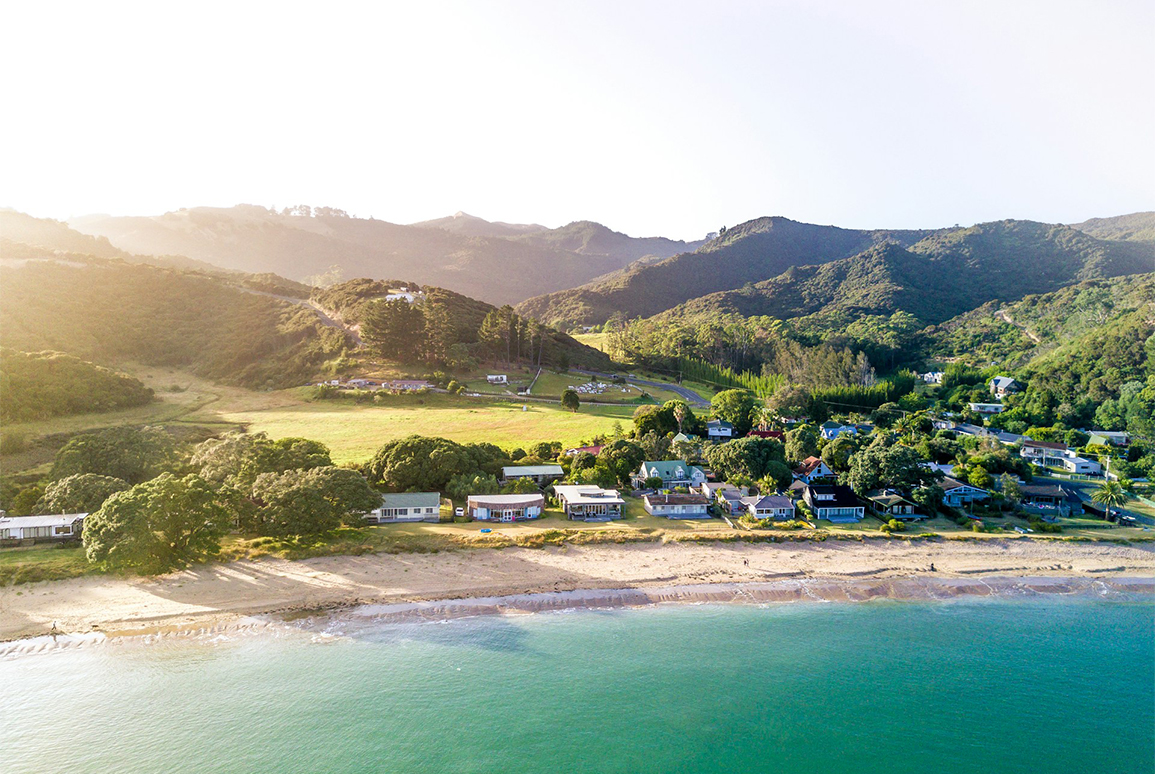
The Climate Change Resilience for Buildings & Homes guidance, developed by Boffa Miskell for the New Zealand Green Building Council, provides a practical framework to help homeowners understand climate change-related risks and plan sensible, staged responses.
The guidance supports Green Star and Homestar climate resilience credits, but its value for all homeowners is broader: it explains how to identify the climate hazards that could affect a property, assess how exposed and vulnerable the home is, and decide what actions are needed now, or may be needed in future.
Start with your property’s specific risks
The first thing building managers, developers, or homeowners need to know is that climate risk is location-specific. A coastal property may be exposed to sea-level rise or coastal erosion; while a low-lying urban section may face surface flooding or stormwater issues. A hillside home could be vulnerable to slips or erosion after intense rainfall. Other homes may face water supply pressure, wind damage, or wildfire conditions.
You can begin by using publicly available information to understand these hazards and how they affect your property. On-line information includes climate projection maps, sea-level rise tools and coastal flood maps, high-intensity rainfall data, flood hazard maps and local council information.
Understand hazard, exposure and vulnerability
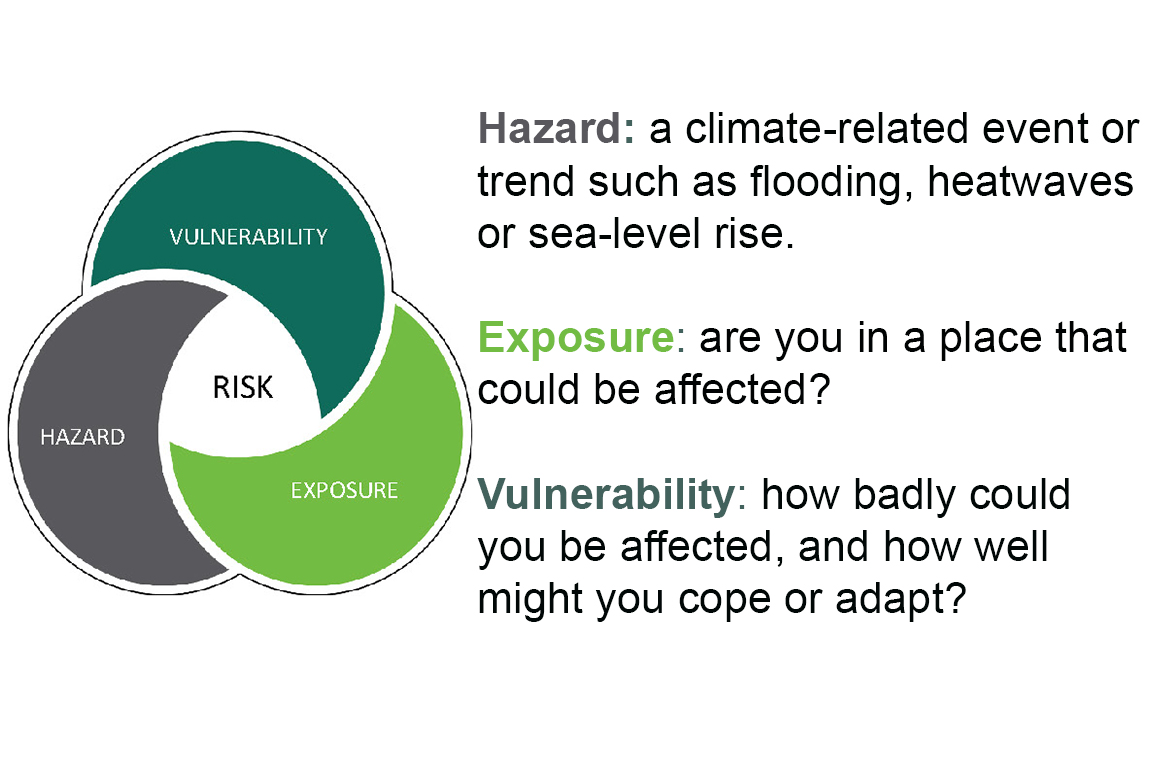
Climate change risks to buildings and homes can be described as the interaction between three things: hazard, exposure and vulnerability.
Hazard: a climate-related event or trend; such as flooding, heatwaves or sea-level rise.
Exposure: is your home (including access, services or surrounding land) in a place that could be affected?
Vulnerability: how badly could those elements be affected, and how well might they cope or adapt?
Building managers, developers, and homeowners should think beyond the building or home itself. Climate change resilience may depend on foundations, cladding, roof condition, gutters, driveways, retaining walls, stormwater systems, power supply, wastewater, landscaping, access routes and nearby infrastructure.
Two buildings may both be in areas that experience heavy rainfall. One has good drainage, raised floor levels and clear overland flow paths; the other has blocked drains, ground-level living spaces and vulnerable materials. The hazard and exposure may be similar, but the vulnerability, and therefore the risk, is different
Plan in stages, not all at once
One of the most useful ideas in the guidance is adaptive risk management. This means treating climate resilience as an on-going process, rather than a one-off fix. Climate risks may be manageable today but could increase over time as rainfall intensifies, sea levels rise, temperatures increase, infrastructure ages, or insurance settings change.
For building managers, developers, and homeowners, adaptive risk management means acting now where it makes sense, monitor what changes, and be ready to take further action when clear signals or triggers are reached.
This approach helps avoid two common problems: doing nothing until damage occurs; or over-investing too early in expensive measures that may not yet be necessary. Instead, adaptation measures can be aligned with normal maintenance, insurance reviews, renovations and replacement cycles.
Use signals and triggers
The guidance encourages the use of signals and triggers. Signals are early warnings that risk may be increasing. Triggers are the points where planned action should begin.
Signals could be frequent ponding after rain, warmer indoor temperatures, erosion moving closer to structures, drainage systems struggling, repeated storm damage, or rising insurance premiums.
Triggers might include water entering the house, loss of insurance cover, a major renovation, replacement of a roof or cladding, or updated council hazard maps showing increased risk.
Practical steps you can take today
For a building or home with potential flood risk, early actions might include keeping gutters and drains clear, maintaining overland flow paths, potentially moving key living spaces above likely flood levels, checking local flood maps, and reviewing insurance cover.
During renovations, you might choose water-resilient materials, raise electrical outlets, improve drainage, or rethink how exposed spaces are used. A future trigger for more substantial action could be repeated flooding, updated council modelling, or changes to insurance availability.
For a home exposed to increasing heat, early actions could include improving ventilation, adding external shading, planting trees, improving insulation, or choosing lighter-coloured roofing materials. Later, when systems or materials are due for replacement, consider investing in better glazing, passive cooling design, or efficient mechanical cooling.
In the case of coastal or erosion-prone properties, homeowners may need to monitor shoreline change, council hazard updates, access, drainage, retaining structures and insurance conditions. In some cases, the right approach may be to avoid further intensification of risk, design future works to be relocatable or adaptable, or plan longer-term decisions well before urgent action is needed.
Keep aware and informed
An adaptation plan is an on-going strategy and will change over time. Building managers, developers, and homeowners should stay updated, informed, and examine climate risks, particularly when undertaking renovations, renewing insurance, buying or selling property, replacing major building elements, or after significant weather events.
It’s important to know that climate resilience does not require people to solve every future problem today. It means understanding the risks, making practical improvements where possible, and planning ahead so that future decisions are informed rather than reactive.
Boffa Miskell prepared the guidance and developed the practical risk assessment and adaptation tools behind it, helping NZGBC translate climate risk concepts into a usable framework for the building sector and homeowners. View the document here.