One of the most distinctive aspects of the project was the scale of the eco-engineering response. More than 1,800 eco-enhanced XBloc® armour units and more than 200 artificial tide pools were installed along the alignment. The eco-enhanced Xblocs were developed specifically for the project, with input from engineers, designers, ecologists and cultural experts. The engraved side pattern was grounded in cultural narrative and informed by research showing that surface texture can increase habitat complexity for benthic communities.
The artificial tide pools were the first use in Aotearoa New Zealand of ECOncrete® tide pool units, a product used internationally in coastal eco-engineering. Installed in the mid-intertidal zone, the pools retain water at low tide and create more hospitable habitat for marine organisms exposed to heat and drying. Their use at Te Ara Tupua has added the project to a growing global conversation about ecological enhancement on hard coastal infrastructure.
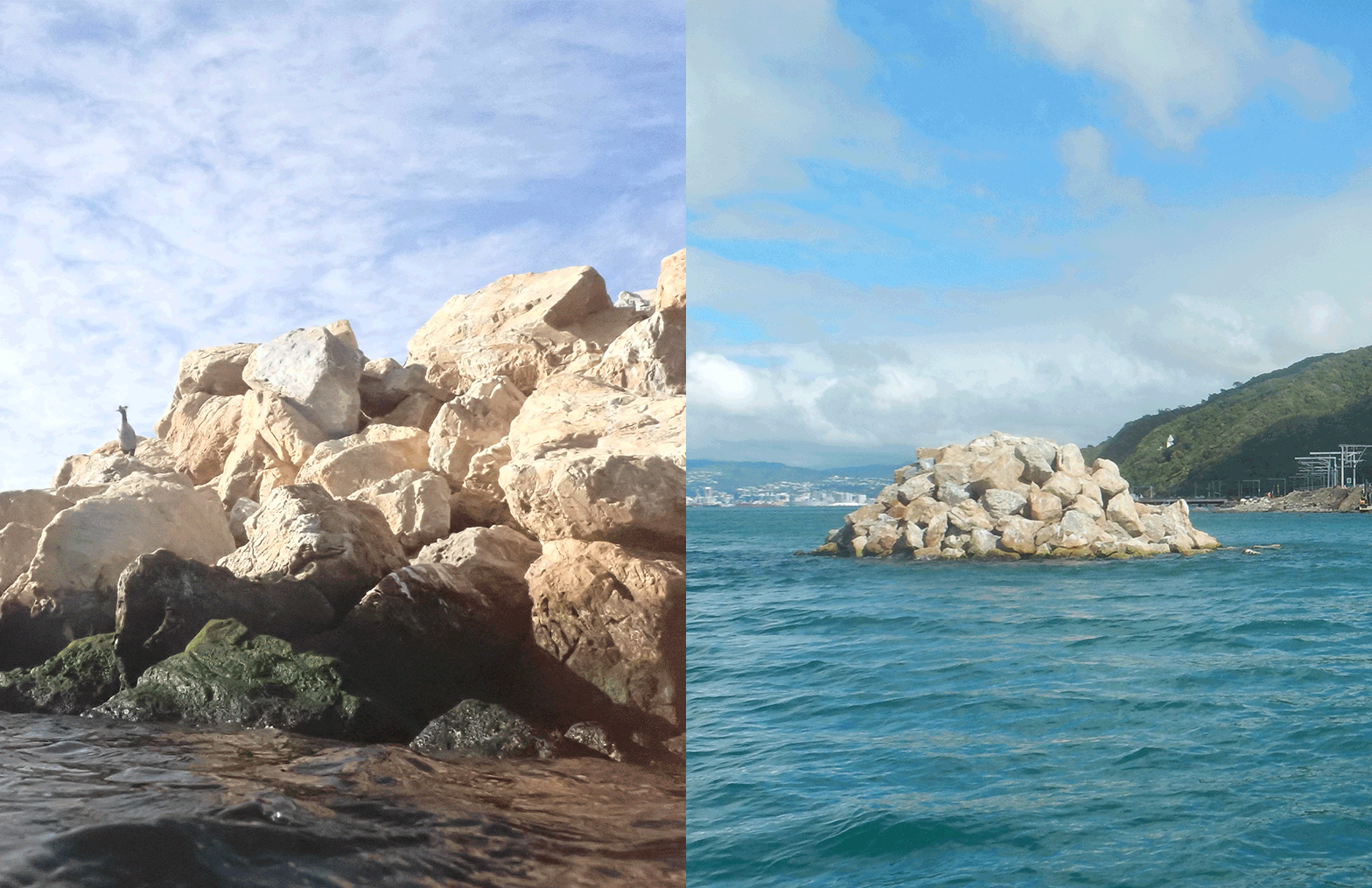
As the project removed and modified areas of foreshore used by oystercatchers, gulls and other seabirds for resting and feeding, new above-water habitat was needed. Offshore rock-stack islands were created to provide tide-safe roosting habitat away from the constructed edge. Although designed primarily for birds, the submerged portions function as artificial reef habitat, attracting seaweeds, mussels, fish and other marine life.
Boffa Miskell undertook assessment of biodiversity outcomes up to 24 months post-installation, comparing eco-Xblocs and artificial tide pools with adjacent control habitats and natural reference sites. The findings will inform future coastal infrastructure projects.
The project also included an extensive marine invasive species monitoring programme, developed in collaboration with the Ministry for Primary Industries. Boffa Miskell marine ecologists tracked both native and non-native species and results show that the new structures have not facilitated introduced species to the detriment of native marine communities.
Cultural monitors have also been involved on-site providing opportunities to share perspectives and understand how the work is seen through a cultural lens. This connects technical monitoring with broader cultural relationships to the harbour and its living systems.
Cultural narratives and designs in this project and the images shown remain the copyright of the creators