Against the Flow: human-induced drivers of Lagarosiphon spread in the Kawarau River
12 November 2026
SHARE


Biosecurity consultant Jourdan Lethbridge outlines the operational and strategic journey of lagarosiphon management in the river: a long-term exercise in adaptation and coordination.
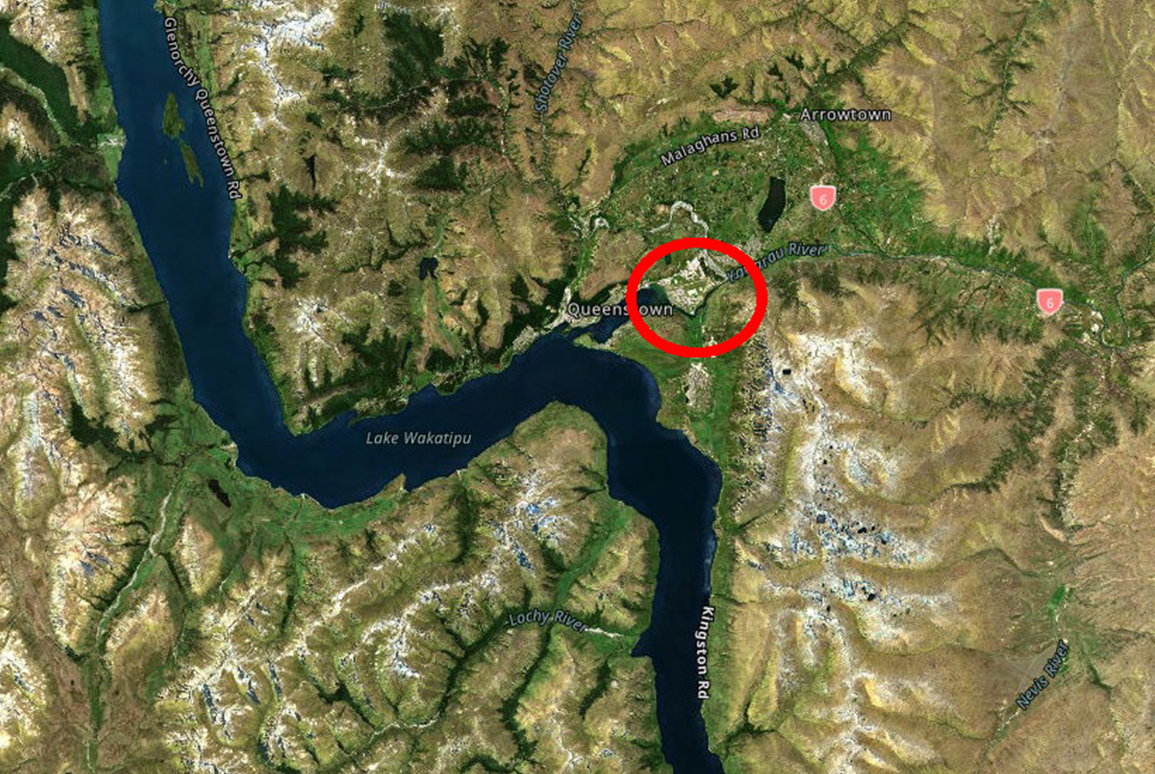
The invasive aquatic weed infestation was first detected in the Kawarau River in 2008. By 2014, approximately 10 hectares of surface-reaching lagarosiphon had established in the upper river, creating an ongoing risk to Lake Whakatipu upstream.
Lagarosiphon spreads vegetatively through viable plant fragments. In the Kawarau River, this natural dispersal mechanism is compounded by commercial jetboat activity. Jetboats travel through infestation areas multiple times each day, returning to the Frankton Marina within Lake Whakatipu. Plant fragments can be drawn into and retained within their water intakes and subsequently transported upstream, effectively allowing lagarosiphon to move against the natural direction of river flow.

This anthropogenic-assisted pathway underpins the long-term management approach for the upper Kawarau River. Protecting Lake Whakatipu requires not only responding to incursions within the lake, but progressively reducing the source population and the opportunity for fragments to be transported upstream.
Lake Whakatipu is managed with an eradication objective, while lagarosiphon in the upper Kawarau River is managed through progressive containment downstream. Cleared areas are maintained through surveillance and follow-up control, while the active containment front is progressively moved further downstream.
The longer-term objective is to move this front beyond the confluence with the Shotover River. Downstream of this point, increased sedimentation, faster-flowing water, and a more mobile riverbed provide substantially less suitable habitat for established lagarosiphon beds.
Finding the right control tool
The programme has used a combination of control methods, including diver hand weeding, herbicide treatment, and hessian benthic barriers. Each method has a specific role. Hand weeding is effective for isolated plants and low-density infestations, while herbicide can rapidly reduce the biomass of larger weed beds. However, neither provides the same opportunity for systematic eradication of extensive, established beds as hessian benthic barriers.
Hessian benthic barriers are essentially large mats laid directly over the weeds and secured to the riverbed. Over time, natural sediment accumulates across the material, reducing light and smothering the lagarosiphon beneath it. An important advantage of the method is its compatibility with native aquatic vegetation. The open weave allows native plants to establish through the material from seeds, while the larger lagarosiphon growth beneath the matting is controlled.
For these barriers to work effectively, however, they need to lie flat against the riverbed.

Removing a physical barrier to eradication
In parts of the upper Kawarau River, that was not possible.
Large quantities of submerged willows were present across the riverbed as a result of removal work undertaken to improve river flow. Logs, branches and other woody debris created a highly uneven underwater environment, preventing divers from laying hessian benthic barriers effectively.
The cold river environment also meant this submerged woody material was preserved, rather than decomposing. As a result, the programme faced a practical constraint: before lagarosiphon could be systematically treated, the riverbed first had to be made suitable for hessian installation.
In 2018, this required a significant engineering response. Heavy machinery was operated from a barge to remove submerged willow debris from targeted areas of the river. This was a critical step in the programme: once the physical obstruction had been removed, divers could begin systematically laying hessian matting and progressively clearing the infestation from the upstream end of the site downstream.

From gradual progress to a major step forward
Progressive containment is inherently long-term. Cleared areas must remain clear while the control front continues moving downstream, and any new plants or fragments establishing behind that front need to be detected and removed. For over a decade, the programme progressively worked through around half of the upper Kawarau River management area.
Then, in 2026, the scale of the operation changed substantially.
Over a single season, approximately 120,000 m² of hessian benthic barrier was laid across the remaining lagarosiphon weed beds in the Kawarau River. This was a major step forward for the programme, allowing an area that had taken years to progressively work through to be treated in a single season.
With the remaining weed beds covered, the programme is now in a strong position to continue towards eradication in the upper Kawarau River. Removing these weed beds also significantly reduces the source of viable fragments that jetboats can pick up and transport upstream towards Lake Whakatipu.
Understanding the whole system
The Kawarau River programme demonstrates why effective biosecurity management often requires looking beyond the target species. The ecology of lagarosiphon is only one part of the system. River hydrology, commercial activity, physical riverbed conditions, diver safety, the limitations of different control tools and the ability to maintain previously cleared areas all influence what can realistically be achieved.
Progress has depended on understanding how these factors interact and adapting the management approach as constraints have emerged. In this case, solving an aquatic weed problem required a combination of biosecurity management, operational planning, engineering, specialist diving and long-term collaboration. The work has been supported through sustained investment and collaboration between Toitū Te Whenua Land Information New Zealand, Boffa Miskell and Earth Sciences New Zealand.
After more than a decade of control, the programme is now in a much better position than when it began. The objective remains clear: remove the source of lagarosiphon from the upper Kawarau River, eliminating the pathway for reinvasion and, ultimately, protecting Lake Whakatipu.


