Smart pest monitoring builds a clearer picture of Tauranga’s urban biodiversity
15 September 2026
SHARE


A new city-wide monitoring network is turning real-time observations into evidence for more targeted pest control and stronger biodiversity outcomes across Tauranga.
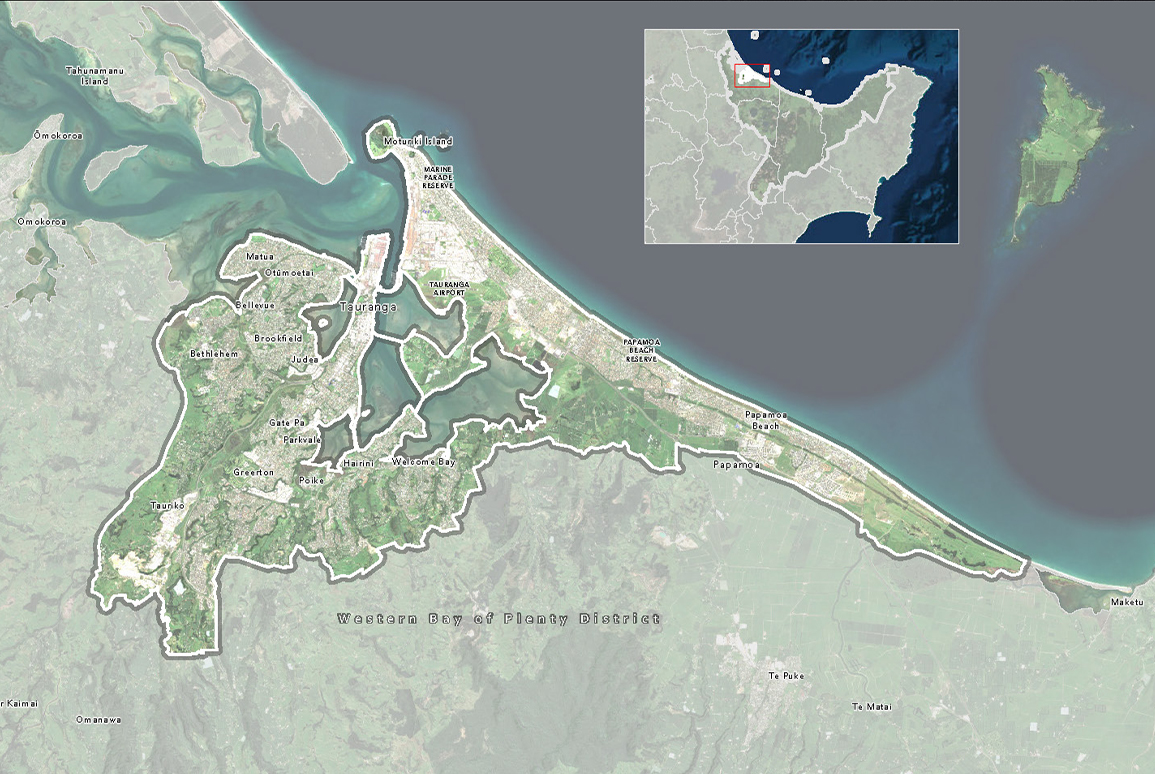
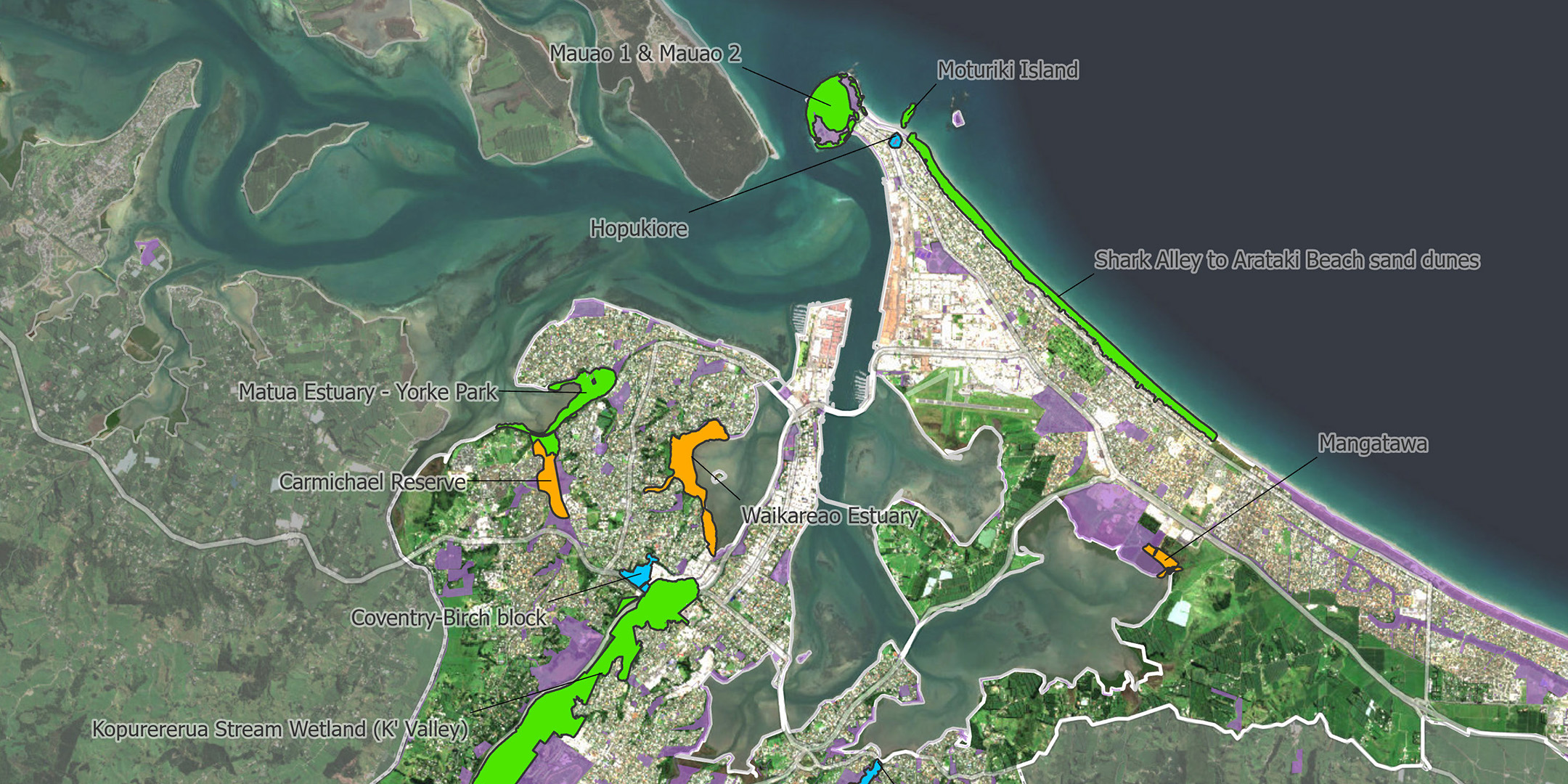
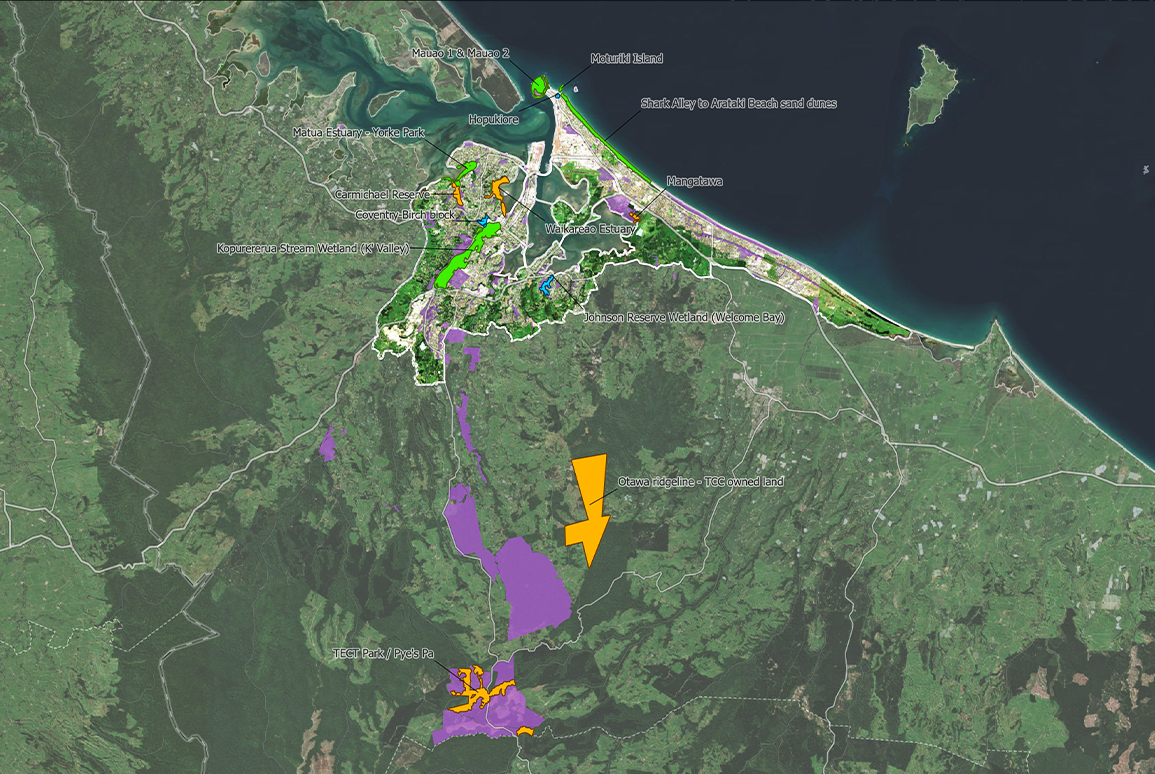
Tauranga City Council (TCC) is establishing its first cohesive pest animal monitoring programme across the city’s Significant Ecological Areas and the ecological corridors connecting them. Designed and operated with specialist support from Boffa Miskell, the programme builds on the priorities established through the Tauranga City Pest Management Strategy.
The monitoring network extends across an urban landscape of coastal dunes, estuaries, wetlands, indigenous bush and reserves. These environments provide important habitat for native species but are vulnerable to introduced mammals including rats, mice, mustelids, possums, and hedgehogs. Until recently, monitoring and control have been limited or delivered through broader maintenance contracts, leaving Council without a consistent baseline for understanding the distribution and relative abundance of pest species.
"As suggested in our Pest Management Strategy, establishing a comprehensive monitoring programme will enable TCC to understand where pest animals are present, determine whether control efforts are working, and direct resources to places where they can achieve the greatest ecological benefit," explains project lead Adam Willetts. "The programme also supports kaitiakitanga and collaboration with hapū and the many volunteer community organisations caring for Tauranga’s natural areas."
Connecting established science with smart technology
The TCC monitoring network combines smart AI-enabled remote detecting, automated lures, GIS mapping and remote reporting. This is supplemented by monitoring data from volunteer community groups who use more traditional methods, including tracking tunnels, chew cards, wax tags and trail cameras.
The AI-enabled devices can detect and classify pest animals while also recording native birds, lizards, and invertebrates. This dual capability takes the programme beyond measuring pest abundance alone: it also provides information about species presence, behaviour and habitat use that can otherwise be difficult and costly to collect.
A user-friendly online dashboard receives results from triggered devices around the clock, allowing data to be reviewed and reported efficiently. GIS specialists have also helped to develop the spatial layout of monitoring devices, creating a network that can be expanded and refined as evidence accumulates.
Boffa Miskell’s role includes developing site-specific monitoring plans, installing and servicing devices, analysing results, and reporting indices of pest abundance and long-term population trends. Monitoring undertaken before and after control will generate comparable data, while an adaptive review process will help refine device types, locations and servicing effort in response to pest behaviour and changing ecological priorities.
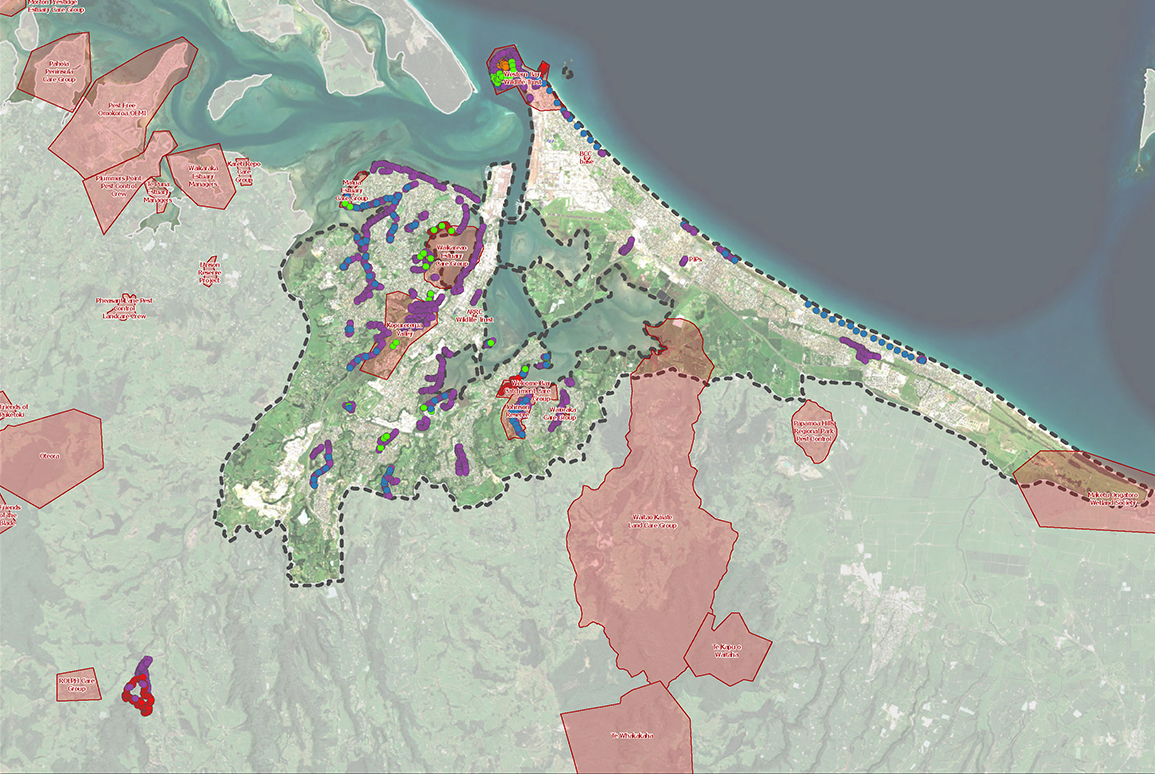
The project is in its first year of implementation, but most of the initial monitoring devices have now been installed and the dashboard is operating continuously. Early results have already recorded a number of pest interactions within Tauranga’s Significant Ecological Areas.
The network has also detected a rare native skink in a reserve where the species had not previously been recorded. This unexpected observation demonstrates the wider value of monitoring both pest animals and indigenous fauna: revealing biodiversity that might otherwise remain unseen, and helping identify places that may warrant enhanced protection.
Installing more smart AI thermal cameras and acoustic monitoring devices is planned during the remainder of the financial year. As the dataset grows, Council will be able to compare results over time, assess the effectiveness of its pest animal management, and examine how indigenous biodiversity responds to sustained control.
The programme creates a continuous feedback loop: monitoring informs control, control influences biodiversity response, and new evidence guides the next stage of management. By connecting technology with ecological expertise, it provides a more complete picture of environmental health and a stronger basis for protecting and reconnecting habitat across Tauranga.