A strategic approach to pest animal management in Tauranga Moana, creating a connected network of safer habitats where indigenous biodiversity can flourish

Responding to the pressures of urban growth and climate change, coordinated pest animal management offers a practical way to strengthen Tauranga’s remaining indigenous habitats. By building on existing conservation efforts and directing resources where they can achieve the greatest gains, the strategy creates a foundation for thriving biodiversity at the heart of the community

Boffa Miskell was engaged by Tauranga City Council (TCC) to develop a comprehensive Pest Animal Management Strategy that would establish a clear vision for pest animal management and support more coordinated, effective operational planning across Tauranga Moana. While TCC has worked with Bay of Plenty Regional Council, Western Bay of Plenty District Council, community groups, businesses, iwi and hapū to deliver pest control, the absence of an overarching strategy meant that previous activities were often implemented reactively.

Only around three percent of Tauranga's land cover remains in native vegetation, with urbanisation and climate change are placing further stress on the taiao. The strategy provides an evidence-based framework for expanding and prioritising pest management, strengthening ecological resilience and contributing to regional and national biodiversity outcomes.
Location

Bay of Plenty

Worked with

Dr Helen Blackie

Central and Local Government stakeholders:
Tauranga City Counci
Western Bay of Plenty District Council
Bay of Plenty Regional Council
Department of Conservation

Mana whenua:
Ngāi Te Rangi
Ngati Pukenga
Ngāti Ranginui
Waitaha
Ngāti Whakaue ki Maketū
Tapuika
Te Rangapū Mana Whenua o Tauranga Moana Partnership
The Mauao Trust

Community conservation groups:
Bay Conservation Alliance
Envirohub
Predator Free Bay of Plenty

Project date

2023 - 2024

Fragmented pest monitoring and control efforts have been brought together.


Boffa Miskell developed a comprehensive Pest Animal Management Strategy establishing a coordinated, long-term approach to protecting the ecological, cultural and heritage values of Tauranga Moana.

Introduced mammalian predators, including rats, possums, mustelids and feral cats, have profound effects on indigenous flora and fauna. Rabbits particularly affect native vegetation and dune ecosystems, damage archaeological sites through burrowing, and support mustelid populations as a year-round food source. Effective pest animal management can reduce these pressures, improve native species’ reproductive success and support the recovery of indigenous ecosystems.

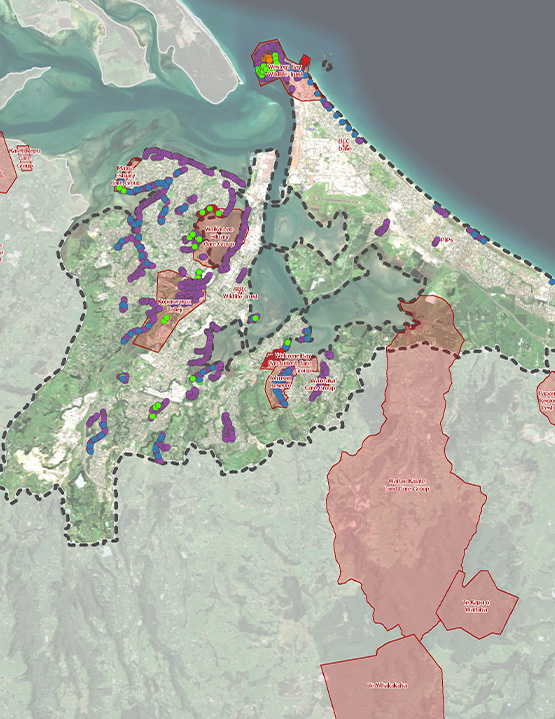
The project began by assembling a detailed evidence base. This included reviewing existing pest control, identifying significant ecological and cultural areas, mapping Council and community initiatives, and considering the roles of government agencies, mana whenua, and community conservation groups. Tauranga Moana has an active volunteer network, with established programmes operating in reserves, wetlands, coastal environments and residential backyards. The strategy recognises this existing work and provides a framework through which TCC can better support and coordinate it.

Working collaboratively with TCC, Boffa Miskell assessed candidate sites against six criteria:

  • Ecological value,
  • Public use,
  • Existing pest control,
  • Landscape connectivity,
  • Value to mana whenua and
  • Operational feasibility.

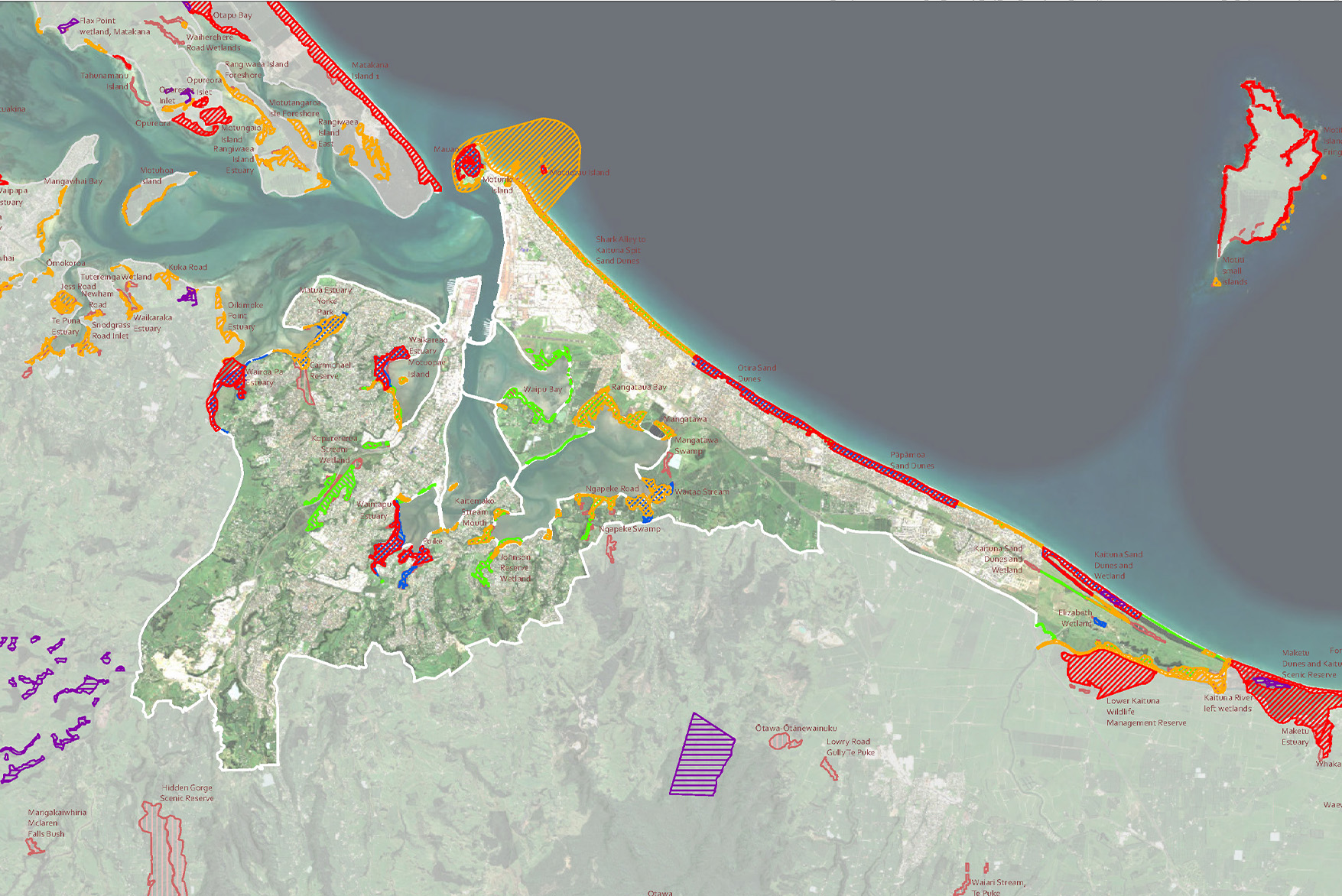
Particular attention was given to sand dunes, saltmarsh and wetlands; along with Special Ecological Areas, Significant Māori Areas and other recognised biodiversity sites.

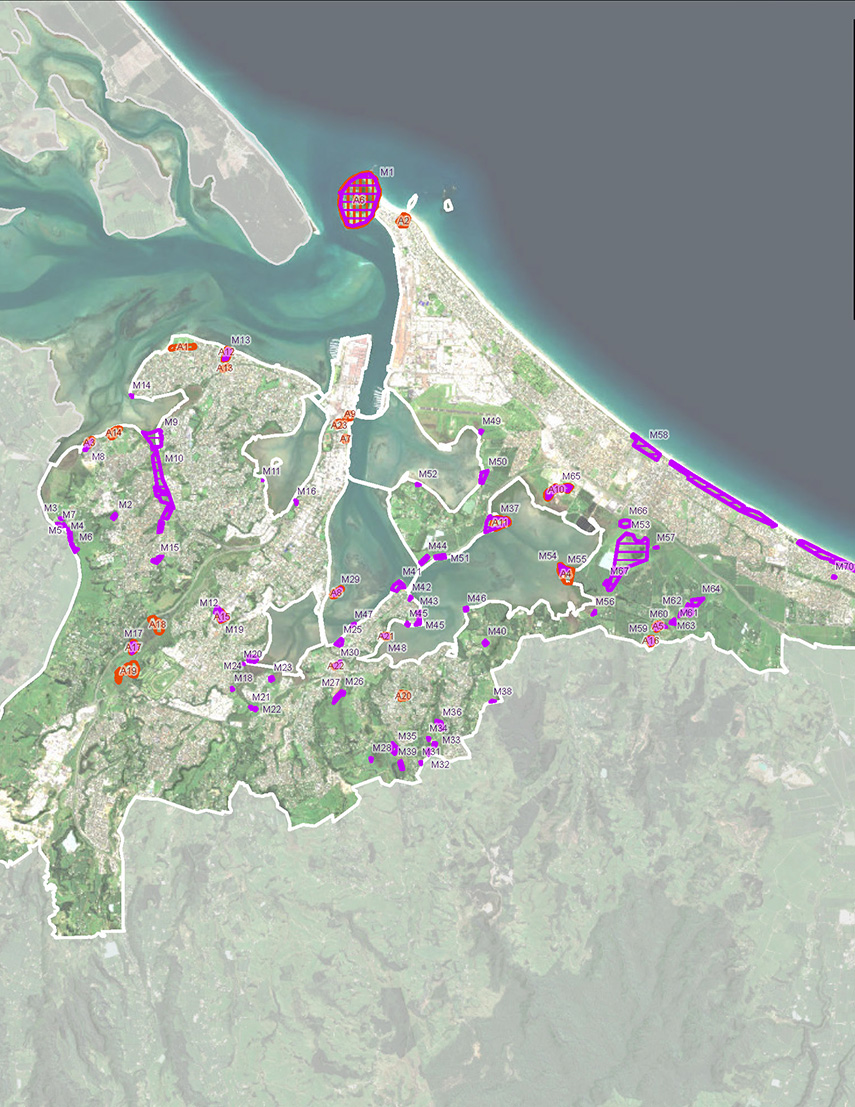
This process identified thirteen priority Pest Animal Management Areas across three levels. Priority One areas include Mauao, Kopurererua Stream Wetland, Matua Estuary–Yorke Park, the sand dunes from Shark Alley to Arataki Beach, and Moturiki Island.

These locations encompass pōhutukawa forest, wetlands, saltmarsh, coastal dunes and habitats for species including ōi |grey-faced petrel, kororā | northern little blue penguin, matuku-hūrepo | Australasian bittern, moho pērehu | banded rail and mātātā | North Island fernbird. 

The Pest Animal Management Strategy includes a management framework providing high-level guidance for developing site-specific operational plans, including measurable pest suppression targets, standardised monitoring and adaptive management. By linking priority sites through blue-green corridors and building on the efforts of mana whenua, agencies, landowners and community groups, the strategy provides a practical pathway towards healthier, more resilient ecosystems across Tauranga Moana.

Indigenous biodiversity areas (red and yellow) and special ecological areas (blue and green) have been noted
Significant cultural and archaeological sites have been considered.
image-5
Priority sites identified in the Tauranga City Pest Animal Management Strategy