Revetments and seawalls provide limited ecological value, particularly in the intertidal zone exposed at low tide. These engineered edges rarely offer the sheltered, water-retaining habitat needed by a broader range of marine life. The project team set out to test whether that could change through an eco-engineering trial of artificial tide pools retrofitted into an existing rock revetment.
Proprietary artificial tidal habitat systems were available, but had to be shipped from offshore, had limited water capacity, and were very expensive. Lyttelton Port Company challenged Boffa Miskell to develop a cost-effective solution using small batches of excess concrete from other port projects and locally sourced waste timber. The pools needed to be robust enough to be precast and craned into location, durable enough to tolerate harsh coastal conditions, and textured enough to provide a range of microhabitats for marine organisms.
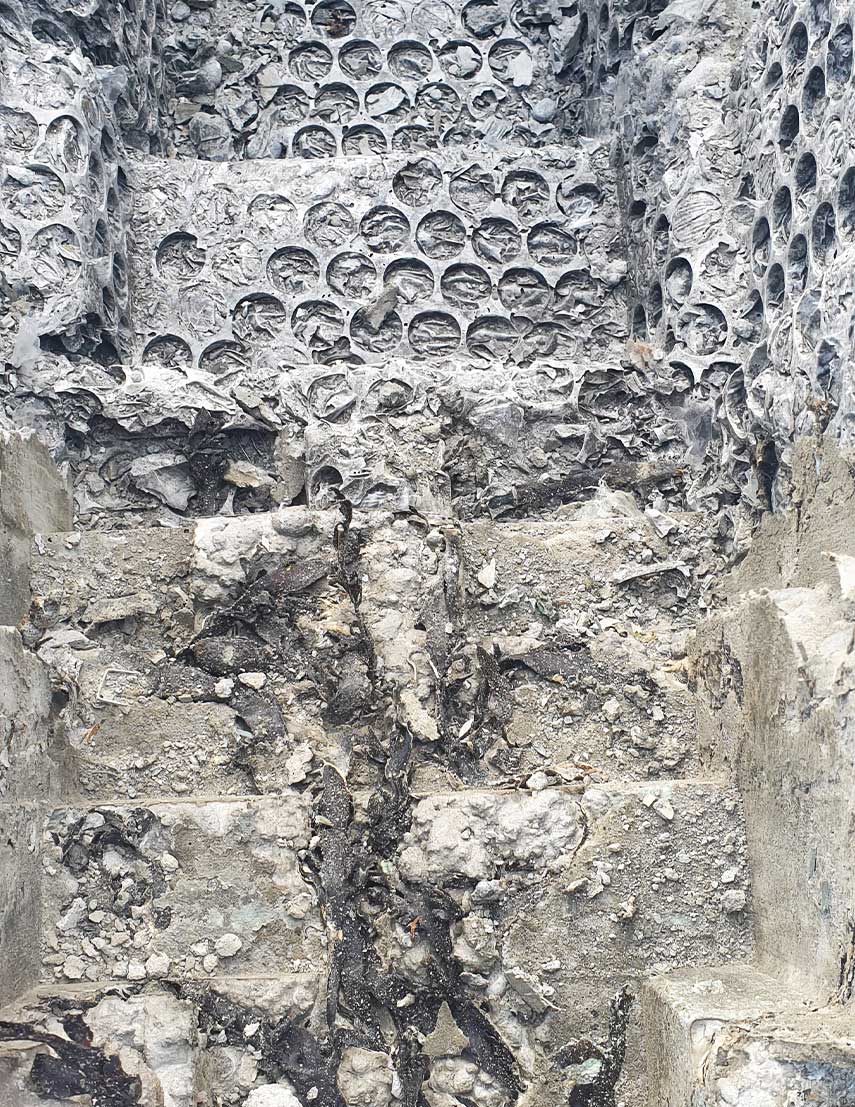
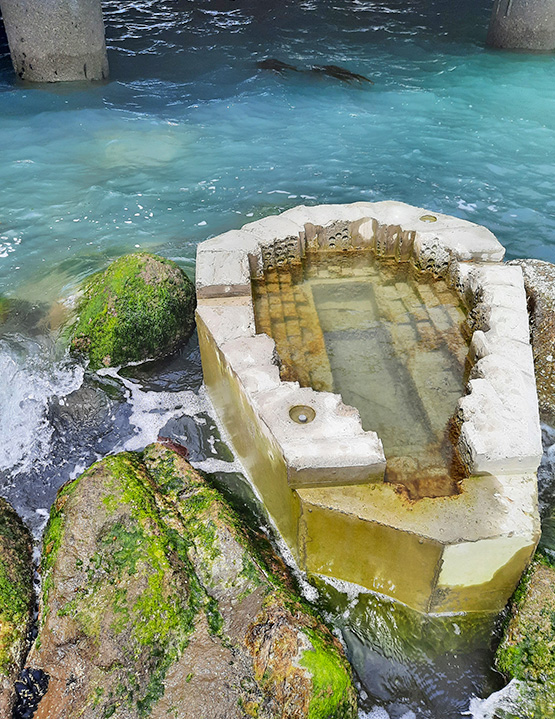
Boffa Miskell landscape architects and marine ecologists designed an elliptical concrete unit with an internal basin holding about 140 litres of water. Rather than creating a smooth basin, the design introduced ledges, vertical faces, recesses and textures to mimic the complexity of natural rock pools. Fabrication took a practical, low-tech approach. A simple mould was built using spare timber and plywood, with texture added through bubble wrap and biodegradable elements such as algal and plant material, which left voids and irregularities in the concrete as they broke down.
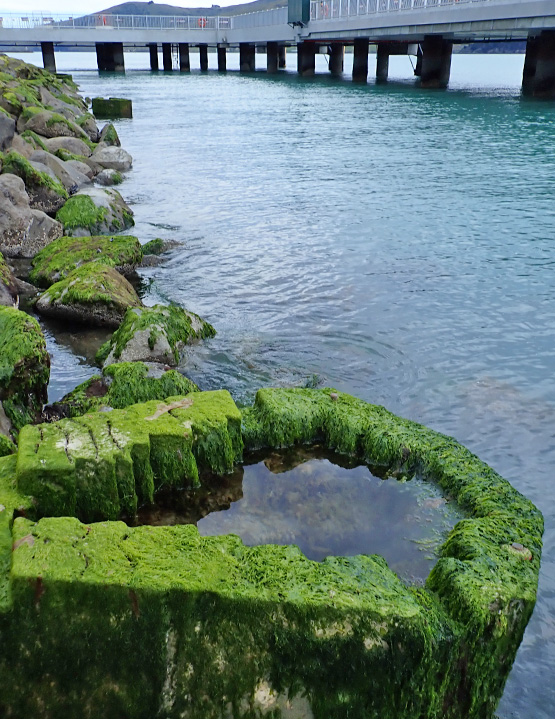
Four pools were installed in November 2023 at the Lyttelton Port cruise berth revetment. The site was selected because of its relatively gentle slope and exposure to waves and currents, conditions expected to increase the supply of spores and larvae while preventing excessive sediment accumulation. Boffa Miskell and Lyttelton Port Company then monitored the pools to understand how this simple intervention could support a wider range of marine species within working coastal infrastructure.
Monitoring showed that the artificial tide pools were quickly colonised by a range of marine life, including seaweeds, mussels, oysters, sea squirts and small mobile animals; species and groups that are uncommon on the plain boulder habitat of the revetment. By retaining water at low tide and providing ledges, recesses, vertical faces and fine-scale surface textures, the pools created small variations in shelter and exposure that allowed different organisms to settle and feed. These early results indicate that a simple, low-tech intervention can increase habitat complexity and support a wider range of intertidal species within working coastal infrastructure.