From Vision to Action: delivering on a regional spatial plan
10 March 2026
SHARE


Once a spatial plan is in place, there are a range of ways in which it is integrated into Council business and regulatory functions, and implemented through projects on the ground
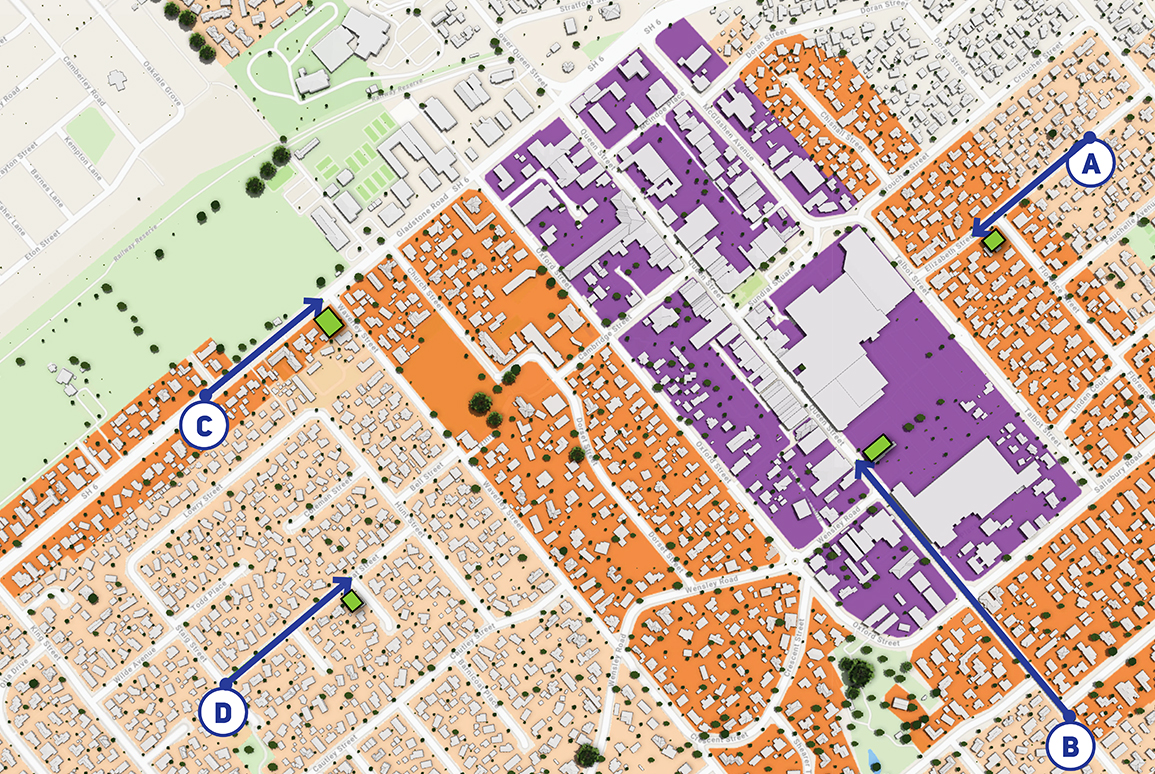
It is apparent from the direction in the Resource Management Act reforms that the key implementation method for Regional Spatial Plans will be through regulatory plans, such as land use and natural environment plans; and through a variety of long-term plans, regulations and strategies. There will also be a range of other implementation methods that Councils can explore such as smaller-scale area and development plans, reserve management plans, and infrastructure plans.
Built projects can also be part of implementing a spatial plan, in response to specifically identified opportunities or issues. These could include a streetscape upgrade in the town centre to accommodate a changing population, designating areas that will be set aside for development or protection, or undertaking a longer-term staged programme of infrastructure improvements.

Plans, Regulations and Strategies
Plans, regulations and strategies provide the frameworks needed to implement a regional spatial plan effectively. The key direct link under the Resource Management Act reforms is the development and updating of district plans (soon to be land use and natural environment plans). These plans will be required to give effect to the coordination, protection and development aspirations set out in the regional spatial plan and to put in place a rule regime that enables implementation of the planned outcomes over time.
Implementation of regional spatial planning outcomes will also be achieved through preparing Council long-term plans, infrastructure investment strategies, establishing funding models, and aligning policy across councils and agencies. It may also involve developing data tools, mapping systems, monitoring programmes, and partnerships that support coordinated delivery. These initiatives ensure decisions remain consistent with the region’s long‑term vision while enabling responsive, evidence‑based action. By strengthening governance, regulatory settings, and implementation capability, this work ensures that projects across the region are well‑sequenced, achievable, and strategically aligned.
- South Taranaki District Plan Review
- Christchurch Central Recovery Plan Blueprint
- Greater Wellington Pre-1930s Character Area Review
- Chorus Ultra-Fast Broadband Consenting
- Te Tapuae Southern Corridor Structure Plan
Partnering with Iwi/Māori
Plans and projects that recognise the unique strengths and priorities of iwi, hapū, and local communities embed indigenous knowledge, cultural values, and community aspirations into regional development. These initiatives may include papakāinga housing, co‑governed environmental restoration, cultural heritage protection, and co‑designed public spaces. Such projects strengthen relationships, uphold Te Tiriti o Waitangi principles, and ensure Māori and community voices shape decision‑making and contribute to more equitable, resilient, and culturally grounded regional development.
- Carrington Development
- Tūpuna Maunga o Tāmaki Makaurau Integrated Management Plan
- Lake Māhinapua Management Plan
- Ōtākou Regional Planting Strategy
- Ōruaka Pā Historic Reserve Management Plan

Urban Growth and Housing
These initiatives focus on supporting urban change and well‑planned population expansion through coordinated development: providing new homes in areas identified for growth, encouraging higher‑density living near transport hubs, or revitalising under‑utilised urban land. Underpinning all of these is the creation of walkable, mixed‑use neighbourhoods with access to employment, services, and amenities. By aligning land use with infrastructure investment, these projects promote efficient, and resilient communities and deliver diverse, affordable housing choices while shaping vibrant population centres that are well-connected and able to accommodate long‑term population and economic changes.
- Katikati Town Centre Plan & Community Plan
- Waipa District Structure Plans
- Rolleston Town Centre Masterplan
- Pegasus Town
- National Medium-Density Design Guidelines
Transport and Connectivity
Delivering networks to allow people, goods, and services to move efficiently is a key component of spatial planning. Implementation projects include public transport systems, upgraded roads, cycling and walking corridors, and freight infrastructure that supports economic activity; along with improvements to pedestrian safety and reduction of traffic congestion. Linking urban centres, employment areas, and new housing developments strengthens regional integration and accessibility. Transport projects also play a critical role in unlocking growth, reducing emissions and supporting sustainable development.
- Aotearoa Urban Street Planning and Design Guide | Boffa Miskell
- Waterview Connection
- Taupō Town Centre Transformation
- Northern Gateway Toll Road

Environmental Protection and Restoration
Integrating long‑term ecological protection into regional planning processes ensures that environmental values are preserved even as development takes place. Environmental protection and restoration projects may involve rehabilitating wetlands, improving water quality, regenerating native habitats, or safeguarding areas of cultural and biodiversity significance. Along with supporting indigenous species and strengthening climate resilience, these projects improve public access to green spaces and create recreational benefits for communities.
- Sandy Point Domain Masterplan
- Te Aka Raataa | Vine Stream Puhinui Stream Regeneration Stages 1 and 2
- Waste Futures, Dunedin City Council
- Penlink Environmental Advisory
- Arowhenua Reserve Regeneration Plan
Climate Change Adaptation and Resilience
Climate adaptation and resilience projects respond to current and future climate‑related risks, such as flooding, sea‑level rise, and extreme weather. These initiatives may include upgraded stormwater systems, flood protection works, coastal erosion management, or planned retreat from high‑risk areas. They also involve land‑use planning that directs development away from hazard‑prone zones. Adaptation and resilience projects ensure that critical infrastructure, homes, and communities are better protected and prepared for climate impacts. Nature-based solutions enable change to work together with the environment rather than competing for space. Through comprehensive spatial planning, regions can minimise long‑term costs, safeguard lives and property, and maintain essential services.
- Queenstown Lakes Blue-Green Network Plan
- Feasibility Study of Nature-based Solutions for Flood Hazards
- Hauraki Plains Adaptation Plan – Social Impact Assessment
- Wairarapa Floodplain Management Plans

Energy and Low‑Carbon Transition
These projects help regions protect and upgrade existing infrastructure, reduce emissions, and shift toward greater sustainability by developing renewable energy generation and/or upgrading existing transmission networks. Enabling low‑carbon technologies and improving energy resilience supports climate mitigation goals and helps future‑proof the region’s energy supply. Through strategic investment, regions can encourage innovation, reduce reliance on fossil fuels, and create opportunities for green economic growth and local job creation.
- New Zealand Battery Project
- Kōwhai Park Solar Farm
- White Hill Wind Farm
- Wairakei to Whakamaru New 220kV Transmission Line
Three Waters Infrastructure
Three waters infrastructure projects ensure reliable drinking water, wastewater, and stormwater systems even as populations grow. These critical initiatives protect public health, reduce environmental impacts, and support development. Spatial planning that coordinates investments across agencies will create long-term, sustainable Three Waters systems that can support both current needs and future regional demands.
- Waikawa Integrated Catchment Management Plan
- Drury South Crossing Stormwater Wetland One
- Three Waters Review Reports
- Mangere BNR Wastewater Treatment Plant

Rural Land and Primary Industry
Supporting the long‑term sustainability and productivity of rural areas typically involves protecting highly productive land, improving freshwater management, and enabling agricultural diversification to balance food production, environmental protection, and economic opportunity. Our rural environments are varied, and many provide resources (such as aggregates) that underpin development of urban areas and infrastructure provision; these also need to be recognised and provided for. By directing growth and investment strategically, Councils can maintain wider rural character while supporting innovation and adaptation, strengthening the region’s agricultural systems, supporting local development, building export potential, and environmental stewardship.
- Predator Free Pēwhairangi Whānui Eradication Strategy
- Burnham Quarry
- Mid Dome Wilding Trees Eradication Programme
Economic Development and Employment
Economic development and employment projects aim to grow regional prosperity by supporting business and attracting investment. This includes establishing innovation hubs, developing industrial or commercial precincts, upgrading ports and airports, and improving tourism infrastructure. Spatial plans that align economic opportunities with transport, housing, and land‑use encourage balanced growth and long‑term economic benefits that are shared across urban and rural communities, contributing to strong regional economies.
- Rangiuru Business Park
- Ruakura Super Hub
- Tauriko Business Estate Stage 4 Private Plan Change | Plan Change 35

The Boffa Miskell team has considerable experience in assisting with the design and development of these implementation tools, particularly in the development and change of district and regional plans, management plans and infrastructure planning projects.
As reforms to the Resource Management Act shift the planning system toward a regional spatial planning framework, there will be an increasing need to consider how spatial plans are effectively implemented. Councils’ long‑term vision and leadership will be critical to delivering coordinated development, enduring environmental protection, and better integration of land use and infrastructure over time.


