Mapped In or Locked Out? The Developer’s Stake in Regional Spatial Planning
21 September 2026
Written by Dave Moule
SHARE


Regional Spatial Plans could reshape land values, infrastructure priorities and development opportunities across New Zealand. Planner Dave Moule says developers who wait for them to be formally notified risk arrival after the most influential decisions have already been made.
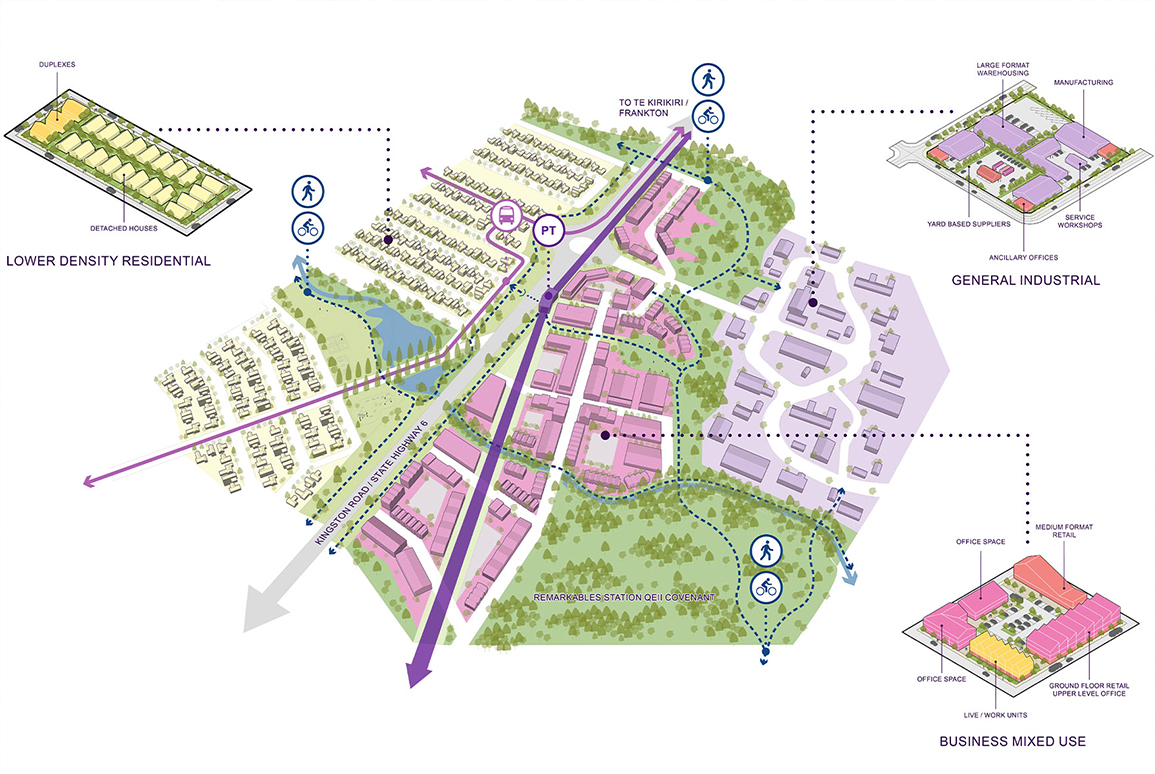
Under the new planning system, one of the most consequential decisions affecting a development project may be made years before a consent application is lodged. Regional Spatial Plans, a key feature of New Zealand’s proposed planning system, will guide strategic growth and change across each region for at least 30 years.
They will identify priority growth areas, strategically important infrastructure, significant development constraints and locations where adaptation to climate change should be prioritised.
These decisions on what goes where, and associated trade-offs, will influence council direction, infrastructure investment and future regulatory plans. They could materially affect land values, project sequencing and investment confidence. Regional Spatial Plans should, therefore, be treated as investment-shaping instruments, not simply planning policy.
The strongest development propositions will not only show that land can be serviced and consented. They will show how development supports the region’s economic drivers -- whether that is housing workforce growth, enabling logistics and freight movement, supporting primary production, unlocking renewable energy, strengthening tourism, or providing for employment in the right locations.
Shaping the development pipeline
The proposed Planning Bill and Natural Environment Bill will shortly replace the Resource Management Act 1991. Regional Spatial Plans will sit near the top of the new hierarchy, after national direction and before detailed regulatory plans.
This sequencing is important for developers. Land identified as a priority growth area and connected to a credible infrastructure programme may have a stronger basis for subsequent zoning and investment in the short term. It may also provide greater confidence to landowners, developers, lenders and investment partners to make plans over the longer term.
Land outside the preferred spatial growth pattern may face higher costs and greater uncertainty. Developers should engage with the relevant Regional Spatial Plan teams early in the plan preparation process, while growth options are being evaluated, so their development options and aspirations are fully understood before the map is drawn and the plan direction formed.
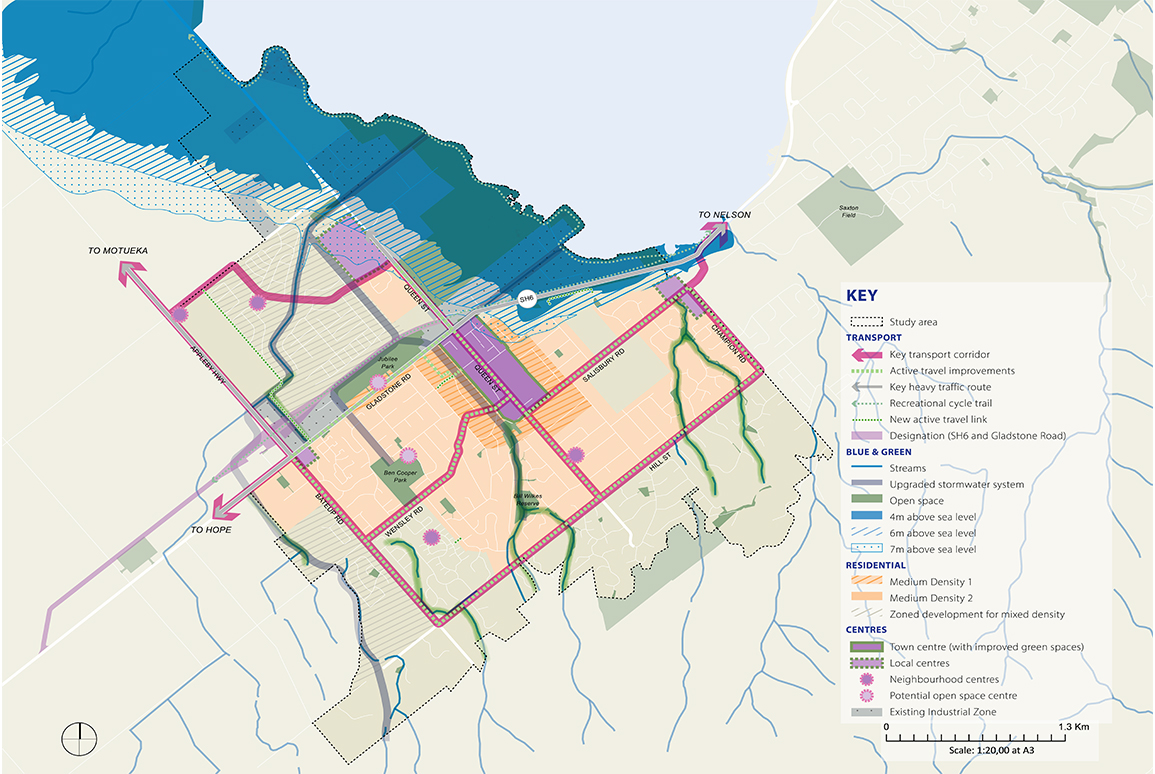
Bringing commercial reality to the table
Public agencies hold population projections, infrastructure strategies, environmental information and statutory responsibilities. What they do not necessarily hold is a complete picture of what the market can realistically deliver.
Developers understand land availability, existing capacity, market conditions, demand, feasibility, capital and financing, infrastructure costs and staging. That knowledge distinguishes plan-enabled capacity from infrastructure-ready and commercially realisable development.
Without commercial input, plans risk directing growth towards locations that are not responsive to market conditions or trends. A growth area may appear logical but remain difficult to implement because of infrastructure costs, fragmented ownership or weak demand.
The commercial opportunity
A clear regional direction can strengthen long-term investment decisions. Strategic recognition may inform acquisition and portfolio strategy and give funding partners confidence. It will not guarantee approvals or infrastructure, but it can reduce uncertainty.
Regional Spatial Plans can align land release with transport, three waters, electricity and community infrastructure. They can support corridor protection, shared funding and better sequencing. Strong developer propositions will explain what is needed and how and when it can be delivered.
Spatial plans may establish the regional role of major housing, employment, renewable energy, logistics, tourism and rural production projects before detailed planning begins. Site-specific environmental, cultural and hazard issues will still need to be addressed.
Regional Spatial Plans are likely to bring stronger focus on each region’s economic role. In some regions, that may mean supporting ports, freight corridors, processing industries and rural production. In others, it may mean enabling urban growth, visitor infrastructure, renewable energy, technology, health, education or knowledge-based employment. Developers who understand those drivers can position projects as part of a wider regional growth story, rather than as isolated site opportunities.
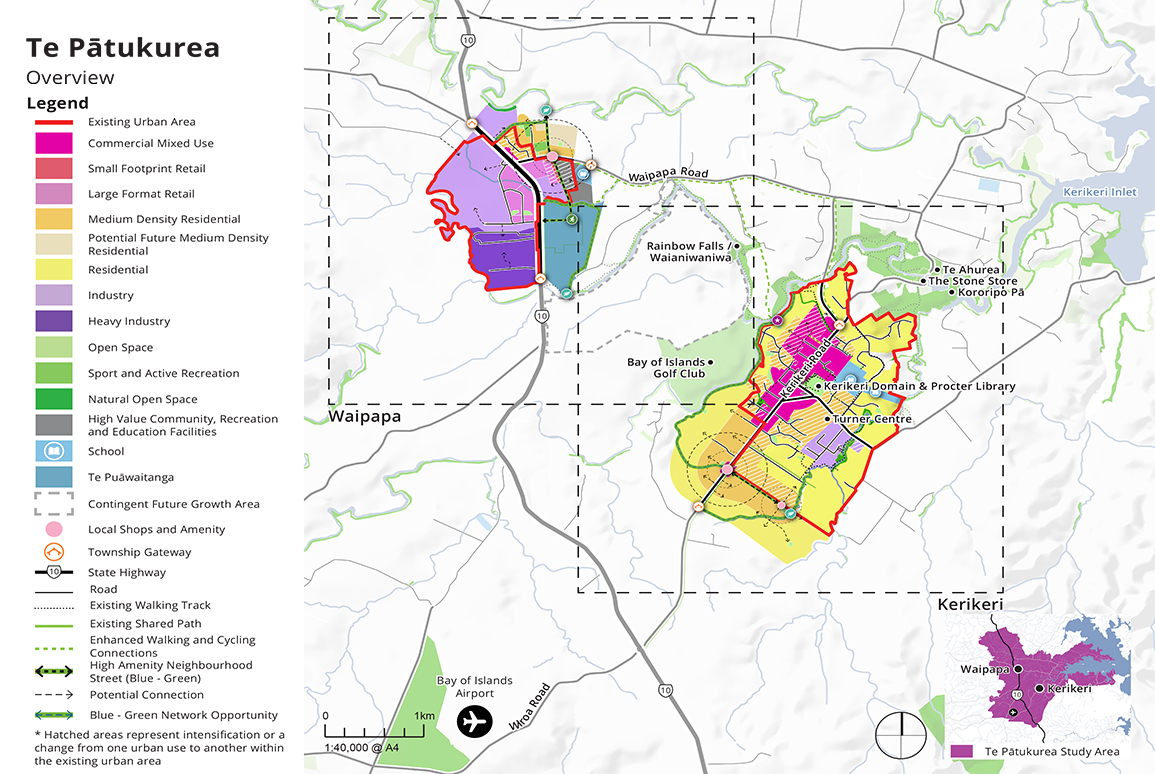
Identify constraints before they become costs
Regional Spatial Plans will also make development constraints more visible. These may include natural hazards, climate adaptation, infrastructure capacity, freshwater and coastal constraints, indigenous biodiversity, landscape and natural character, historic heritage, highly productive land, sites of significance to Māori and Treaty settlement arrangements.
Earlier visibility can minimize poor investment decisions and distinguish manageable constraints from those that impact feasibility. Land may be developable today but carry long-term costs relating to insurance, access, stormwater, resilience or adaptation.
Build durable relationships with mana whenua
Regional spatial planning involves intergenerational decisions about whenua, wai, communities and investment. Engagement with mana whenua should begin before preferred locations and development concepts become fixed, identifying cultural values and opportunities for partnership, co-investment, papakāinga, restoration, employment and procurement. Mana whenua may also be landowners, developers, investors and infrastructure partners, so engagement should be strategic, not simply a step towards approval.
Present a credible delivery proposition
A persuasive growth-area proposition should begin with the regional outcome, not preferred zoning, and demonstrate regional need, spatial suitability, feasibility, infrastructure requirements, environmental and cultural integration, and wider public value. This requires more than a planning argument: it needs a joined-up understanding of statutory reform, infrastructure sequencing, environmental constraints, cultural values, market feasibility and stakeholder dynamics.
Developers should review their portfolios, identify priority projects, assemble robust evidence and engage early with councils, infrastructure providers, mana whenua, neighbouring landowners and potential delivery partners. By the time a plan is formally notified, the evidence base, growth scenarios and preferred direction may already be well established.

The cost of arriving late
Regional Spatial Plans will help determine which locations receive development support, where enabling infrastructure is prioritised and how constraints shape future investment. Developers should therefore treat spatial planning as part of investment strategy, not as a submission process.
Public agencies can identify where growth is desirable, but developers understand whether it is feasible, financeable and deliverable. The advantage will go to those presenting the clearest proposition: the right development, in the right location, backed by a credible delivery pathway.
Developers should seek to provide input well before formal notification, while councils and partners are defining growth challenges, testing spatial options, mapping constraints and aligning growth with infrastructure investment. At this stage, commercial insight can help distinguish theoretically plan-enabled land from development that can realistically be financed and delivered.
The next development pipeline is being shaped now. Developers can either help define it or inherit the consequences of decisions made without them. Developers with major landholdings, growth ambitions or infrastructure-dependent projects need to establish where they fit, what evidence they require and how to engage constructively.
The opportunity to influence these decisions is immediate, but it will not remain open indefinitely.